



Physical security fencing is increasingly being paired with electronic systems to create more flexible ways of protecting commercial, industrial and residential properties. CCTV cameras, electronic access controls and automated gates allow property owners to monitor activity, manage entry and respond to potential security incidents while maintaining a physical boundary.
For businesses and property managers exploring fencing solutions, RW Products offers security fencing Sydney property owners can consider as part of a broader security strategy. Combining galvanised steel fencing with CCTV, access control and automated gates raises important questions about installation, maintenance and future upgrades. A well-maintained steel fence may remain serviceable for decades, while its electronic components may need replacing much sooner. Understanding how these systems work together helps property owners improve security without unnecessarily replacing existing infrastructure.
Why Physical and Electronic Security Work Together
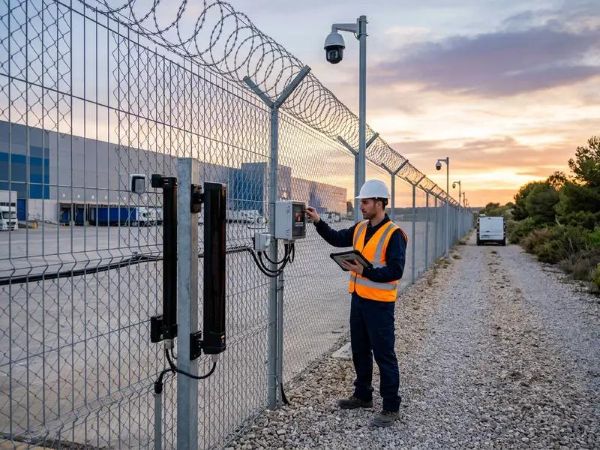
A fence establishes a physical boundary, while electronic systems help manage activity around it. These layers serve different purposes and can address weaknesses that either approach might leave unresolved.
The Australian Cyber Security Centre identifies successive layers of physical protection as an important part of securing facilities. Similarly, the Security Industry Association recommends considering physical barriers, access points and digital controls together when developing security plans.
For a Sydney warehouse, this could mean combining steel perimeter fencing with cameras overlooking vehicle entrances and controlled access for authorised staff. The arrangement allows different security measures to support one another.
How CCTV Adds Visibility to Steel Fencing
Steel fencing creates a boundary, but it cannot identify who approaches a property or record what happens nearby. CCTV addresses this limitation by providing visual monitoring of entrances, gates and other areas requiring attention.
Cameras can record vehicle movements, capture activity near access points and provide footage for reviewing incidents. However, camera placement matters. Poor lighting, obstructed views and unsuitable recording equipment can reduce their usefulness.
Privacy also requires attention. The NSW Workplace Surveillance Act 2005 sets requirements for camera surveillance of employees, including clearly visible cameras and signage at entrances. Property managers should consider these obligations when planning workplace monitoring.
CCTV is therefore best treated as a monitoring layer rather than a replacement for physical barriers. Its effectiveness depends on installation, maintenance and appropriate handling of recorded information.
What Changes When Access Control Becomes Digital?
Traditional gates rely on physical keys, locks and manual supervision. Electronic access control provides additional ways to manage entry through credentials such as cards, PINs and authorised digital devices.
For example, a business may assign separate access permissions to employees, contractors and delivery personnel. Permissions can then be updated when staffing arrangements or operational requirements change.
The Security Industry Association explains that modern access control combines physical entry management with digital identity systems. This creates opportunities for more detailed access policies but also introduces responsibilities for protecting personal information.
Property owners should consider who manages credentials, how access records are stored and what happens when electronic systems become unavailable. These questions help determine whether additional controls offer meaningful benefits for a particular site.
Automated Gates Connect the Different Security Layers
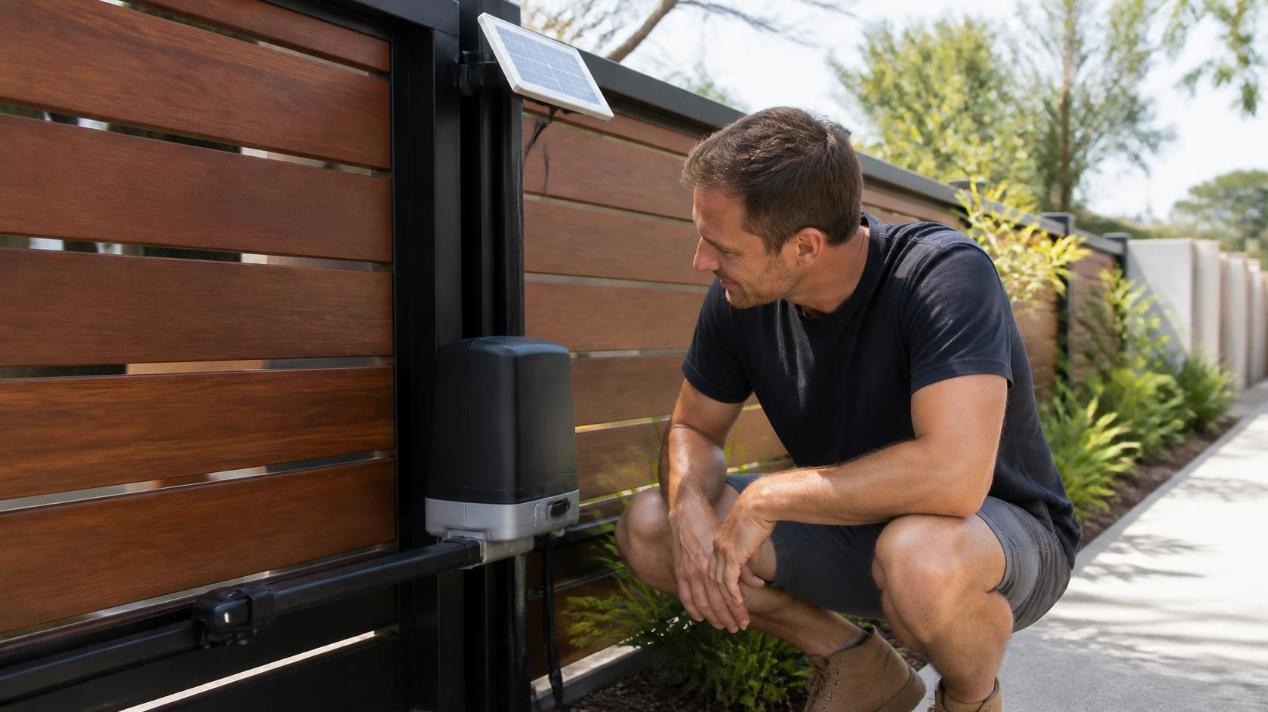
Automated gates provide a connection between the physical perimeter and electronic entry systems. They can operate through authorised credentials, intercoms or controls managed by designated personnel.
At a commercial property, an automated vehicle gate may work alongside CCTV and an electronic access system. Cameras provide visibility, access controls manage permissions, and the gate regulates physical entry.
However, automation introduces moving equipment that requires suitable safety measures. The Security Industry Association distinguishes active perimeter barriers, including moving gates, from passive barriers such as conventional fencing.
Gate design should account for pedestrian movement, vehicle clearance, emergency access and possible equipment failure. Regular inspection of motors, sensors and mechanical components helps maintain reliable operation.
Why Galvanised Steel’s Lifespan Matters
Hot-dip galvanising protects steel by applying a zinc coating that helps resist corrosion. This makes galvanised fencing suitable for long-term use when its design, installation and exposure conditions are appropriate.
A service life of 20 to 30 years is often used as a planning estimate for galvanised fencing. However, it should not be treated as a guaranteed replacement date.
The Galvanizers Association of Australia explains that coating durability depends on environmental exposure. Its guidance references AS/NZS 4680 for hot-dip galvanising and AS/NZS 2312.2 for estimating protective performance under different atmospheric conditions.
Coastal exposure, coating thickness, physical damage and maintenance can all affect how long a fence remains serviceable. For Sydney properties, local conditions should therefore inform material selection and inspection schedules.
Can Security Technology Be Upgraded Without Replacing the Fence?
Electronic security equipment may require upgrades while the surrounding steel structure remains in good condition. Cameras can become outdated, access credentials may change, and gate controls may need replacement or software updates.
Replacing the entire perimeter whenever electronic equipment changes could create unnecessary material waste and additional installation costs.
A more flexible approach is to design the fence and electronic components as separate but compatible systems. Accessible cabling, replaceable camera mounts and suitable gate hardware can make later improvements easier. Property owners can also consider sustainable locking systems that combine modern access technology with environmental considerations. This approach allows security equipment to be upgraded while keeping serviceable steel fencing in place.
Where the existing structure remains sound, upgrading individual components may reduce the amount of steel sent for recycling or disposal. The Galvanizers Association of Australia also documents the recycling potential of galvanised steel in its environmental product declaration.
However, retaining an existing fence is not always appropriate. Corrosion, structural damage or changed security requirements may justify replacing selected sections or the entire perimeter.
Planning for Security That Can Adapt
Combining steel fencing with electronic security requires owners to think beyond initial installation. The physical structure, digital systems and mechanical equipment may follow different maintenance and replacement schedules.
For Sydney property managers, the practical approach is to assess security needs, environmental exposure, access requirements and long-term maintenance before selecting equipment.
As monitoring and access technologies evolve, durable fencing can provide a stable foundation for future improvements. Thoughtful planning allows electronic systems to change while serviceable steel structures remain in place, helping balance security, operating costs and material use.



 As technology continues to advance at an unprecedented rate, it’s no surprise that the towing industry is also leveraging these advancements to shape the future of professional towing. Gone are the days when a simple phone call was the only way to request assistance on the side of the road. Today, with the rise of smartphones and smart car technology, 24/7 roadside assistance is just a few taps away. In this article, we will explore the various ways in which technology can be optimized to enhance efficiency during towing operations, providing reliable and prompt assistance. So whether you’re a towing company looking to streamline your processes or a driver in need of roadside help, read on to discover how to make the most out of technology for optimal efficiency when it matters most.
 In the towing industry, offering 24/7 roadside assistance is crucial. Among the towing services that offer 24/7 road assistance is the towing company San Jose. Employing a reliable dispatch management system can simplify the process of handling emergency calls. With such a tool,





 Airlines enforce strict cabin luggage rules to streamline travel and reduce fuel use. Most carriers limit cabin bags to 10 kg and dimensions around 55×40×20 cm, including handles and wheels. These restrictions vary slightly by airline, so checking specific policies before packing saves hassle. A well-packed bag not only fits within these limits but also supports eco-friendly travel by minimizing excess weight and fuel consumption. Understanding these rules sets the foundation for smarter, greener journeys.
 Your computer already has a built-in shortcut that can reset your graphics driver in seconds. Pressing Win + Ctrl + Shift + B can refresh your GPU without needing to restart your entire system. This simple action can save your workflow during a crash, help recover from screen flickers, or solve common display bugs with no hassle.

 OpenAI’s logo features a clean, geometric design that resonates with the ethos of modern innovation. Its interlocking shapes suggest collaboration and interconnectedness, themes central to environmental solutions. The minimalistic aesthetic ensures the logo’s adaptability, whether on digital platforms or print while emphasizing efficiency—a key principle in sustainable practices.
 Pay attention to your body’s signals and change the water temperature and immersion time in line with them.
 e are panelled and modular, which denotes that the windows and door coverings can be accessed when needed. That way, certain portions of the campervan may be kept covered or left uncovered for insulation or ventilation purposes.
 The climate conditions of a geolocation could subject a recreational vehicle to extreme cold or warm weathers, which are liable to bring on lots of rain, dust or snow. Such elements are also critical considerations when deciding on the type of RC cover to purchase as protection for one’s motorhome, camper or
 The fusion of technology, environmental awareness, and vintage trailer services at GT Services vintage trailers offers a unique and exciting intersection. This blend showcases innovation, sustainability, and nostalgia.
 The fashion industry is increasingly focusing on sustainability, and skirt pants are a prime example of this shift. These garments combine


 Technology, environment, and private investigation are intertwining in unprecedented ways. This synergy is creating new avenues for addressing environmental issues and fostering a more sustainable future. With innovative technologies at their disposal, professional private investigator is becoming crucial allies in the fight against environmental crimes and negligence.


 When thinking of an Instagram marketing strategy, consider the reasons why you believe your product is better than what your competitors are offering. However, don’t lose sight of the goals you need to achieve in promoting your brand by way of images and content.
 Actually, ordinary people prefer to follow those who can relate to their needs and who can help them find solutions to their pain points. The latter refers to the little but hard to ignore reasons why they are losing interest in brands they are currently using. If their brands are your competitors, and you are interacting with this kind of audience, it means you are getting strong signals on how to market your brand on Instagram.
 Nowadays, if you need to make sure the private messages you are sending via the Internet will stay strictly private, use a private text messaging app. It’s an application that keeps the confidentiality and integrity of the communications transpiring between app users by way of end-to-end encryption.