
Fencing has never been a flashy corner of home improvement, but that’s starting to change.
Between new coating technologies, longer-lasting materials, and a growing focus on sustainability, boundary fence installation Sydney homeowners are choosing today looks quite different from what went up a decade ago.
My Fencing Specialists, working across the North Shore, Northern Beaches, Eastern Suburbs and Sydney City since 1999, have watched that shift play out firsthand.
A Quiet Upgrade in Materials
The biggest change isn’t visible at first glance. Steel and aluminium fencing now often comes with advanced protective coatings that resist corrosion far longer than older galvanising methods. Fewer replacements, less waste over a property’s lifetime.
Timber suppliers have also improved their kiln-drying and treatment processes, producing boards that resist warping and rot without relying on the harsher chemical treatments of the past.
These aren’t dramatic, headline-grabbing innovations. They’re small manufacturing improvements that add up over time, and that’s exactly the kind of quiet progress people tend to overlook.
Where Smart Technology Actually Fits In
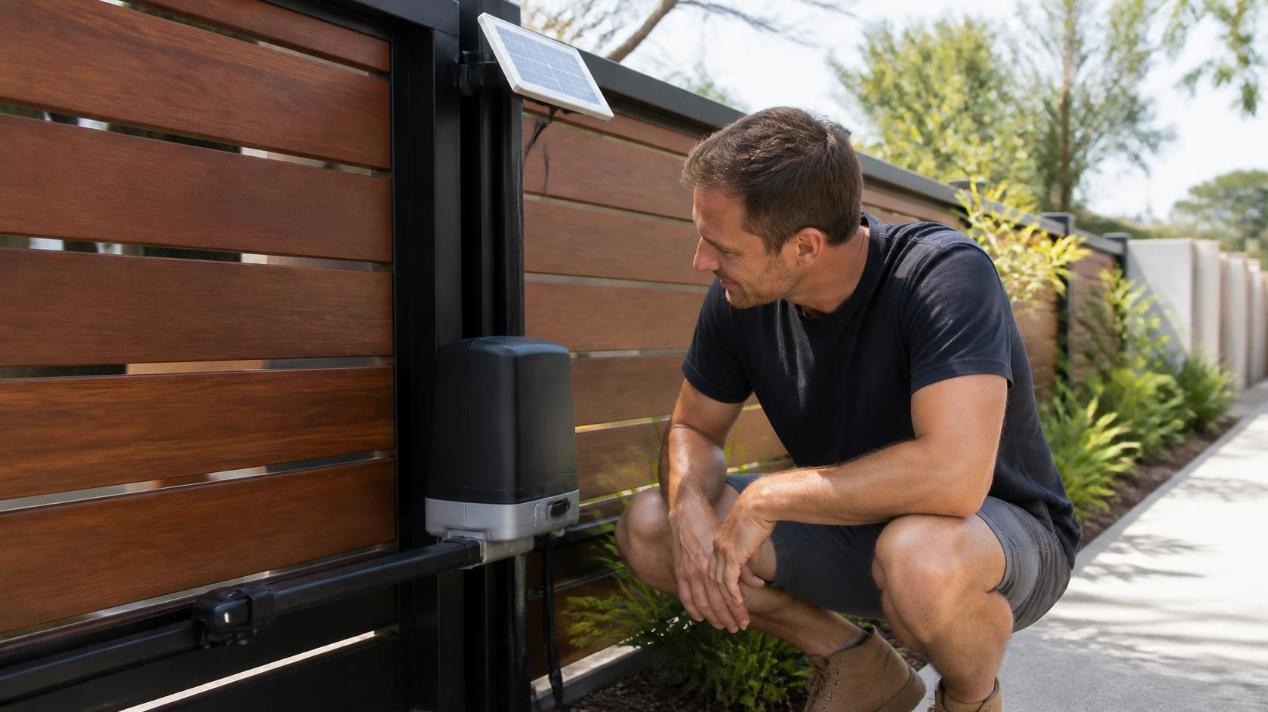
Boundary fences aren’t usually associated with smart home systems, but that’s shifting too. Solar-powered gate motors have become common on boundary lines that include an access point, cutting out the need for mains wiring trenched across a yard.
Some homeowners are also fitting simple moisture sensors near timber sections. A small addition, but one that flags early signs of rot before it spreads, saving both money and material down the line.
None of this needs a fully connected smart home setup. A basic solar panel and a battery pack can run a gate opener for years. A cheap sensor paired with a phone app is enough to catch a problem early.
It’s a modest use of technology, but it directly helps the fence last longer, which is where the environmental payoff really comes from.
Sustainability Starts With What’s Chosen First
None of the technology matters much if the base material was a poor choice to begin with. Sustainably sourced timber, recyclable steel, and Colorbond made from a growing share of recycled content all give a boundary fence a better starting point.
My Fencing Specialists say more customers are asking directly where materials come from, a question that was rare even five years ago.
That shift in customer awareness has pushed suppliers to be more transparent, which makes it easier for homeowners to compare options instead of guessing.
A fence that’s durable and responsibly sourced needs replacing less often, and fewer replacements is still the single biggest lever for cutting environmental impact.
Maintenance Gets Easier, Not Just Greener
Technology has also simplified the maintenance side of fence ownership. Weather-resistant coatings mean less frequent repainting or resealing. Some newer composite fencing products, blending recycled plastics with wood fibres, need almost no maintenance at all and hold up well in Sydney’s harsh coastal sun.
These composites aren’t for everyone. The look differs from traditional timber. But for homeowners prioritising low upkeep and recycled content together, they’ve become a genuine option rather than a niche one, and a good example of material technology and sustainability solving the same problem from different angles.
A Sustainable Mindset That Extends Beyond the Fence Line
Homeowners who put this much thought into their boundary fencing usually carry the same mindset elsewhere around the property. It shows up in small, easy swaps that are like ecological white paints for your sustainable home, low-VOC coatings that cut down on harmful emissions while still protecting a surface the way a standard paint would.
The logic holds whether it’s applied to an exterior wall or a fence paling. Pick the option that does its job well without leaving a heavier footprint behind.
That kind of thinking tends to spread. A homeowner who researches sustainable fencing materials is often the same person checking energy ratings on appliances or asking about recycled content in other renovation materials.
The fence ends up being one piece of a much longer list of considered choices.
Weighing Cost Against Longevity
Sustainable and tech-enhanced materials do sometimes carry a higher upfront cost, and it’s fair for homeowners to weigh that against a tighter renovation budget. Even so, the long game usually wins out.
A fence that needs repainting every two years and full replacement within a decade costs more over time than one built from better material at a higher starting price, before even counting the environmental cost of the extra manufacturing and disposal involved.
Contractors who walk through that long-term math honestly, instead of just pushing the cheapest option, tend to earn more trust from homeowners making this decision for the first time.
Where This Is Headed
Boundary fencing will likely keep absorbing small technological improvements rather than any single dramatic leap. Better coatings, smarter material blends, and simple solar add-ons make up the kind of unglamorous progress that quietly changes a fence’s working life.
For Sydney homeowners weighing their next boundary fence, that steady, practical kind of innovation is worth paying attention to.