
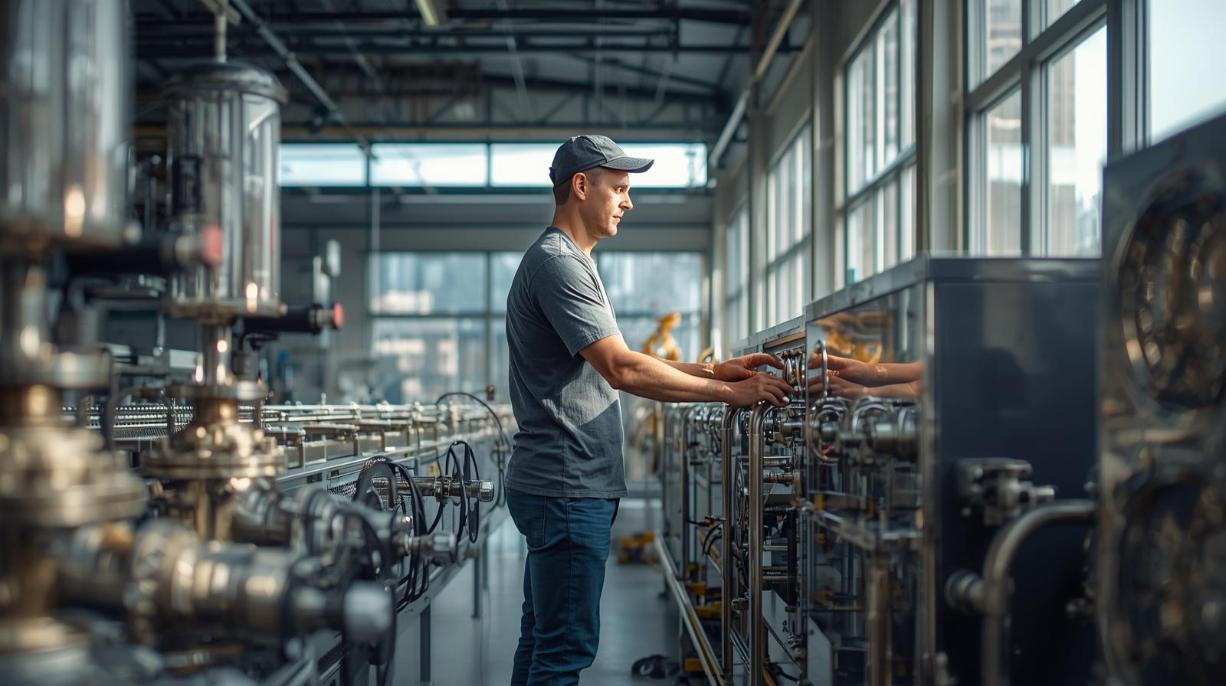
The steady hum inside a modern manufacturing plant rarely attracts public attention, but some engineers believe the quietest innovations are becoming the most important.
As industries search for cleaner and more efficient production methods, pneumatic systems are slowly entering environmental discussions that once focused almost entirely on electric vehicles and renewable energy.
Within that shift, AirTAC solenoid valves are increasingly recognized for helping facilities reduce waste, improve airflow precision, and operate more efficiently.
A plant supervisor in Southeast Asia recently described the change in mindset while standing beside an automated packaging line. “Five years ago, we only cared about speed and output,” he said.
“Now management asks about air leakage, energy loss, and maintenance waste too. It changed how we choose components.”
That observation reflects a broader movement spreading across manufacturing sectors worldwide.
Small Components With Bigger Environmental Impact
Pneumatic systems power countless operations inside factories, and most rely heavily on compressed air. Producing compressed air requires significant energy, which means even minor inefficiencies can quietly increase electricity consumption over time.
Manufacturers are beginning to understand how much difference improved airflow control can make. Valves that reduce pressure loss and minimize leakage contribute to cleaner and more energy-efficient systems overall.
One technician compared outdated pneumatic setups to leaving a faucet running all day. “You barely notice it at first,” he explained, “but after a few months, the waste becomes impossible to ignore.”
Because of this growing awareness, more companies are investing in smarter valve systems that help reduce unnecessary energy use while improving reliability.
Environmental Goals Are Reaching Factory Floors
Sustainability discussions are no longer limited to office buildings or transportation. Warehouses, automated production facilities, and packaging plants are now under pressure to improve efficiency without sacrificing environmental responsibility.
Modern pneumatic engineering has quietly become part of that solution.
Updated solenoid valve systems can improve machine cycle control, reduce compressed air leaks, and support smoother automated processes. Some factories have even reported quieter workspaces after upgrading their pneumatic controls.
Interestingly, workers often notice these improvements before management does.
At a manufacturing expo, one robotics consultant joked that “nobody takes photos of valves during presentations, but when they fail, the entire production line notices immediately.”
Reliability matters for both environmental and financial reasons. Older systems often generated unnecessary waste through repeated repairs, emergency maintenance, and short equipment lifespans.
Technology Innovation With a Human Side
Cleaner pneumatic systems also allow factories to modernize without completely disrupting operations. Workers can adapt more easily, maintenance schedules become more predictable, and production interruptions occur less frequently.
One machine operator described the atmosphere on the factory floor as “less stressful somehow” after newer systems were installed. Teams spent less time responding to unexpected breakdowns, and smoother machine movement resulted in fewer alarms and interruptions throughout the shift.
The cultural shift inside these facilities may seem small from the outside, but employees often notice the difference immediately.
As industries continue balancing production demands with sustainability goals, quieter technologies like improved pneumatic systems may receive more attention than they once did.
They may never generate the same excitement as solar panels or electric vehicles, yet their long-term impact inside manufacturing environments is difficult to ignore.
In many ways, the conversation around technology and environmental consciousness is no longer centered only on headline-grabbing inventions.
Sometimes the most meaningful progress comes from smaller systems working quietly in the background, helping factories become cleaner, more efficient, and easier places to work.