
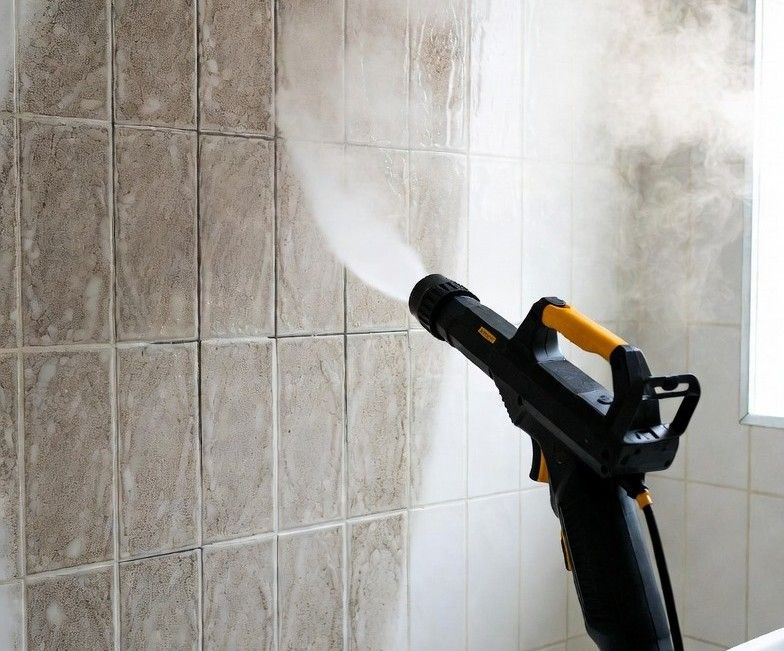
Steam heated to more than 100°C can eliminate many bacteria and germs without chemicals, according to the CDC. That single fact explains why tile cleaning is changing so quickly. For years, scrubbing floors meant buckets of water, strong cleaners, and sore arms. Today, the scene looks different. A sleek machine hums in the corner, releasing jets of steam while barely using a gallon of water. Cleaning technology has quietly gone green, and homes are better for it.
Many cleaning professionals now rely on equipment designed to protect both surfaces and the environment. High-pressure steam systems, rotary extractors, and low-water machines are replacing the old mop-and-bucket routine. The result feels almost like magic the first time you see it. Grout lines brighten. Grease lifts away. And the floor dries in minutes instead of hours. Behind that magic is a lot of thoughtful engineering.
Technology That Uses Less Water
Traditional tile cleaning wastes a surprising amount of water. Anyone who has ever dumped out a cloudy mop bucket knows the routine. Fill, scrub, rinse, repeat. Multiply that across thousands of homes and businesses and the numbers grow fast.
New equipment tackles that problem directly. Low-moisture extraction systems spray tiny, controlled bursts of water while powerful vacuums recover most of it immediately. Instead of flooding a floor, the machine delivers only what the tile actually needs. That change alone can reduce water use dramatically.
Organizations like the EPA often highlight water efficiency as a key part of sustainable home maintenance. When cleaning tools use less water, the ripple effect spreads further than people expect. Less water means less wastewater. It also means faster drying times, which lowers the risk of mold hiding in grout lines.
In other words, modern tile cleaning tools are doing something refreshingly simple. They waste less.
The Science Behind Steam Sanitation
Steam cleaning sometimes sounds like a trendy buzzword, but the science behind it is surprisingly straightforward. Water heated under pressure turns into vapor that expands rapidly. When that vapor hits a surface, it breaks apart dirt, oils, and microbes.
Think of it like loosening gum stuck to a sidewalk. Cold water barely moves it. Heat softens it instantly. Steam works the same way, except it reaches tiny crevices inside grout lines.
Researchers and public health agencies have long recognized the disinfecting potential of high heat. The World Health Organization has discussed how high-temperature sanitation helps control harmful microbes in many environments. For tile surfaces, steam offers an advantage. It penetrates small pores without soaking the surrounding material.
There is a small moment of satisfaction when watching steam cleaning in action. The grime that looked permanent just… disappears. It feels oddly satisfying, like erasing pencil marks from a notebook.
Fewer Harsh Chemicals in the Process
Older cleaning routines relied heavily on chemical solutions. Some worked well, but the smell alone could clear a room. Anyone who remembers opening a bottle of industrial grout cleaner knows that sharp, eye-watering scent.
Modern eco-focused cleaning tools rely less on those substances. Heat, pressure, and mechanical agitation do most of the work. When cleaning agents are used, they tend to be milder and biodegradable.
The shift reflects a larger movement toward healthier homes. Groups such as the Environmental Working Group often encourage consumers to reduce exposure to strong cleaning chemicals whenever possible. Steam and low-water technology make that advice easier to follow.
Of course, no technology eliminates cleaning products completely. Some stains need help. But the heavy chemical approach that once dominated the industry is fading.
Why Innovation Matters for Sustainable Homes
Sustainable living sometimes sounds like a giant lifestyle overhaul. Solar panels. Electric cars. Rainwater tanks. All admirable ideas, but they can feel overwhelming. Yet sustainability often begins with small habits at home. Learning practical ways to minimize your environmental footprint, such as conserving water or reducing waste, shows how everyday choices add up over time.
Simple steps like these reflect the same mindset behind eco-friendly cleaning technology, small improvements that quietly reduce environmental impact and make homes more responsible places to live. Living sustainably often starts with simple decisions and the familiar rule of reduce, reuse, and recycle.
Cleaning technology offers a quieter version of sustainability. Small changes in everyday routines add up. When experienced tile care specialists adopt efficient machines, homes use less water, release fewer chemicals, and stay cleaner for longer.
That matters because tile and grout exist everywhere. Kitchens, bathrooms, hallways, laundry rooms. If cleaning those spaces becomes more efficient, the environmental benefits multiply quickly.
Technology will keep evolving, of course. Smarter sensors, automated cleaning tools, and energy-efficient heating systems are already entering the market. What once looked like a simple household chore is slowly becoming a high-tech process.
A Cleaner Future Beneath Our Feet
Floor tiles rarely get much attention. People admire countertops or paint colors long before they praise the grout lines under their feet. Yet tile care quietly shapes the cleanliness of an entire home.
The rise of eco-friendly machines proves that innovation does not always happen in dramatic ways. Sometimes it arrives in the form of a quieter motor, a smarter nozzle, or a cloud of steam that lifts dirt without flooding the floor.
And as more cleaning professionals adopt these greener systems, homeowners gain something valuable. Cleaner spaces, lower water use, and fewer chemical smells drifting through the house. Not a bad trade for something as ordinary as cleaning a floor.